Passive restoration
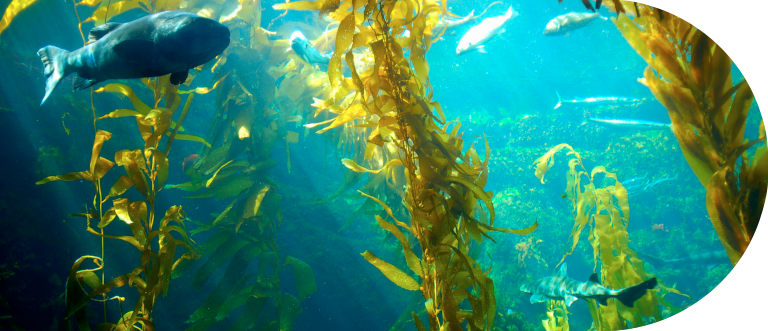
Passive restoration means conserving what already exists, eliminating all anthropogenic effects that prevent the ecosystem from sustaining itself: boats anchoring in inappropriate areas, waste, drifting fishing gear, etc. – ultimately, different barriers and stresses that hinder the conservation of ecosystems within the usual ranges that each habitat established before facing the typical obstacles and threats.
Redeia's Marine Forest drives and supports initiatives that free the ocean from these barriers and promote the conservation and natural restoration of ecosystems.
Ecological anchorages in the Bay of Altea (Alicante)
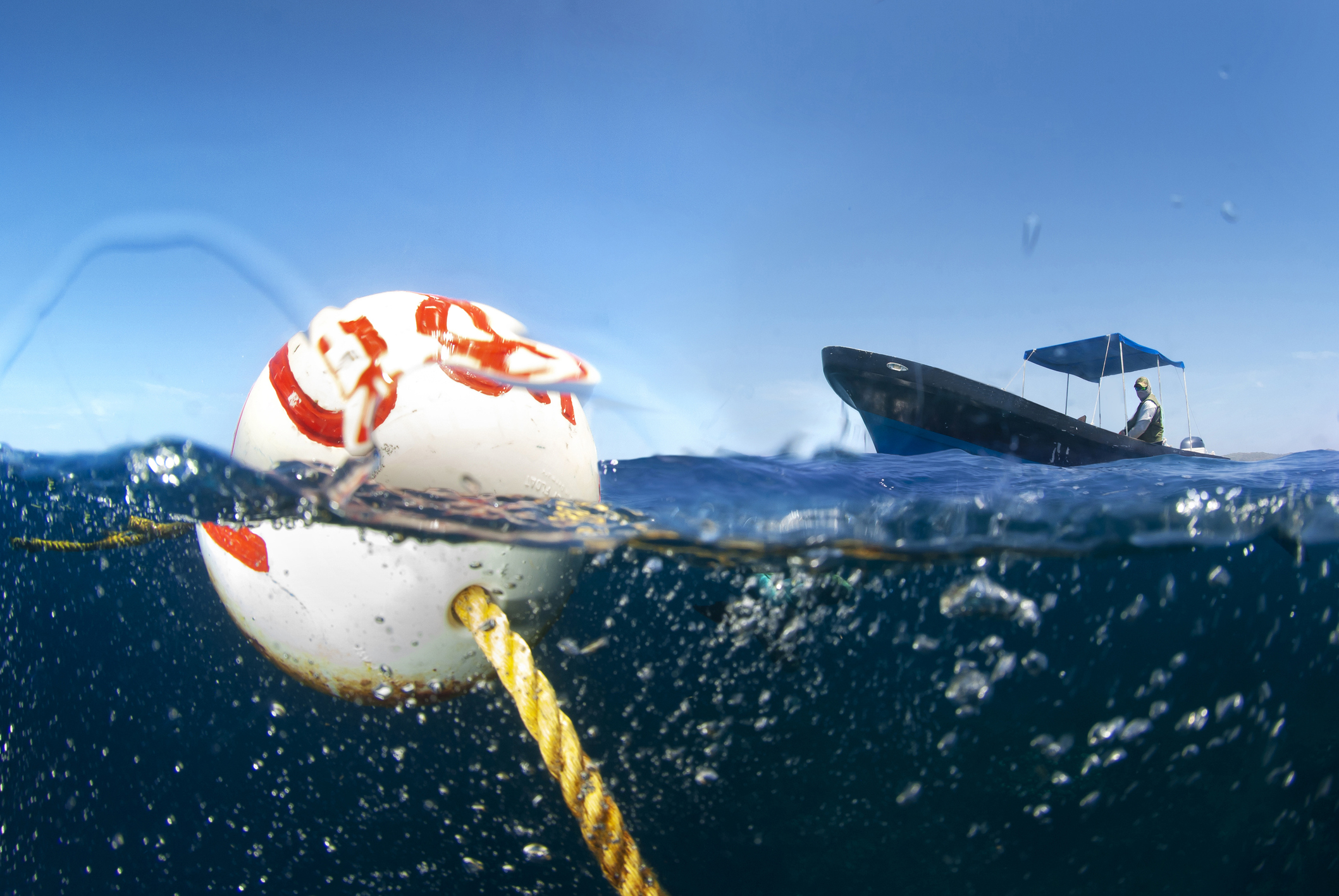
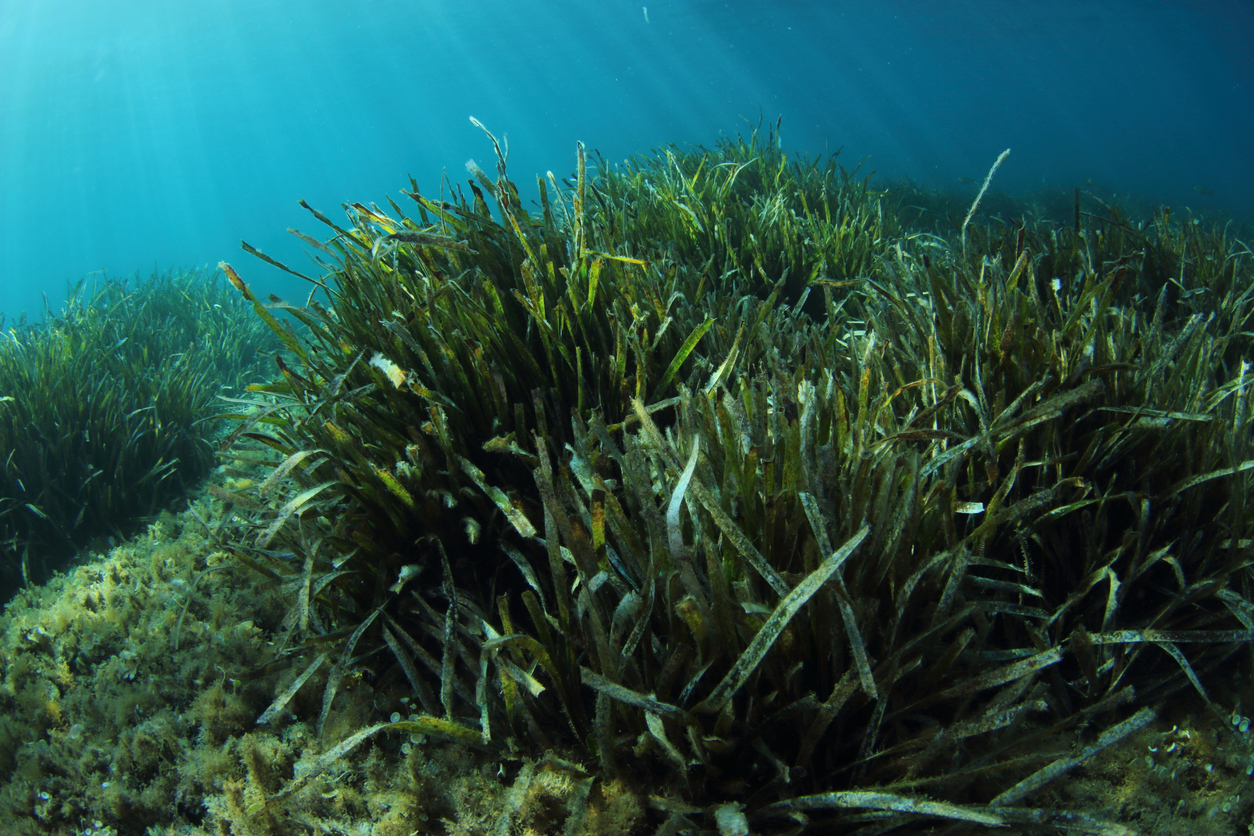
Redeia is currently working with the Altea Town Council (Alicante) to install ecological mooring buoys, which will prevent boats from anchoring on a Posidonia oceanica meadow. These are low-impact ecological anchoring systems and artificial biotopes to protect the sandy areas in the Bay of Altea.
The Town Council has already installed 15 ecological buoys in its bay. Now, Redeia will add a similar number of these types of moorings in the area. These buoys will serve as guardians of the seabed in this bay, which is home not only to Posidonia but also to numerous species of marine flora and fauna.
Netejamar, we remove from the sea what does not belong
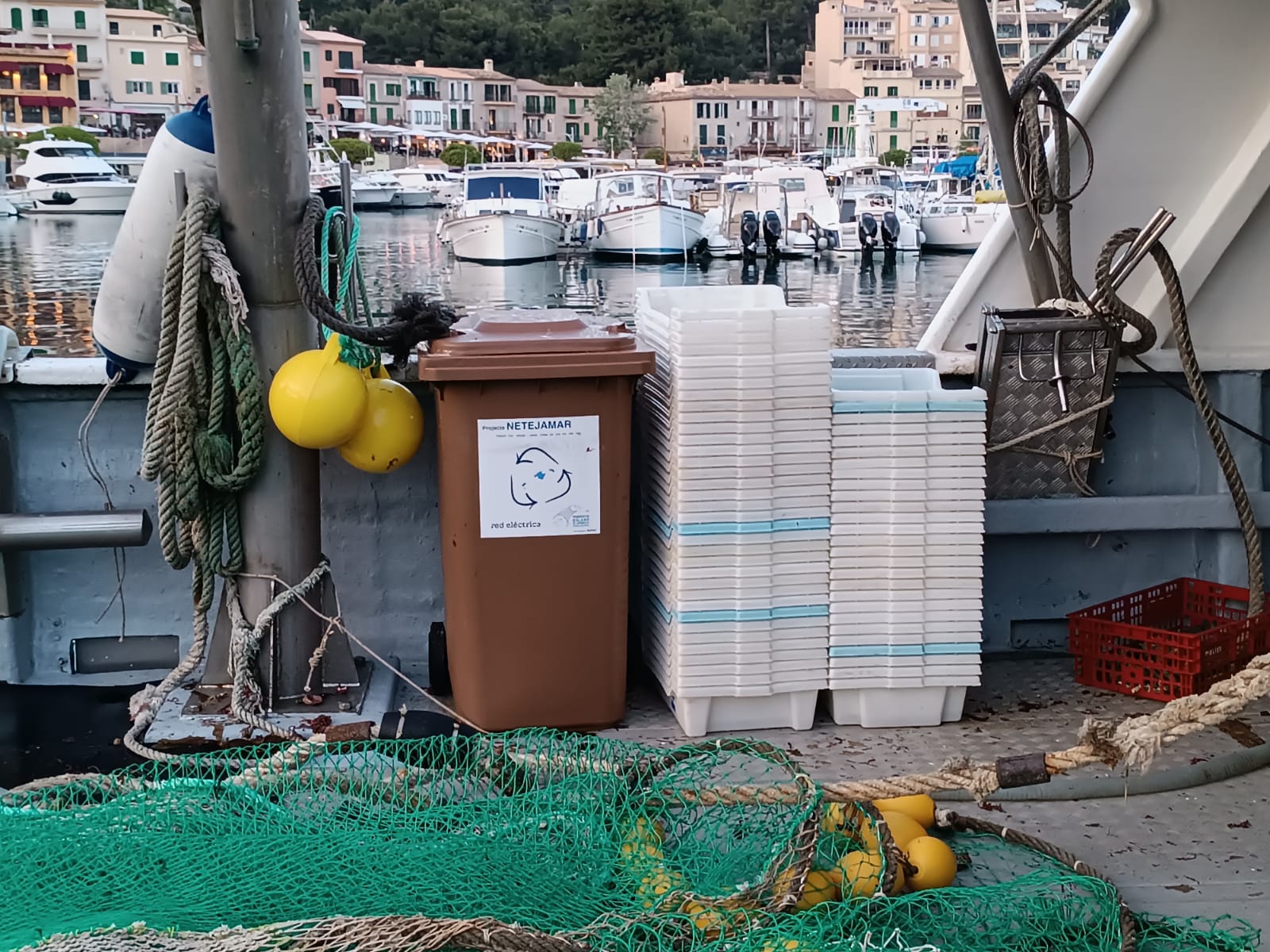
Red Eléctrica, the Redeia subsidiary responsible for the operation and transmission of electricity in Spain, and the Balearic Federation of Fishermen's Guilds (FBCP) have launched the 'Netejamar Project' passive restoration initiative. Its objective is the removal of marine waste and litter from the Balearic Sea thanks to the collaboration of the fishing fleet, which recovers this debris while fishing and brings it ashore for subsequent treatment and incorporation into the recycling process.
The pilot test began in April 2025 with trawlers from two guilds which, once the results are known, will make it possible to involve the entire fishing fleet of the Balearic Islands. This first step will lead to the implementation of an action protocol and the structuring of a comprehensive collection system and its proper subsequent treatment. The expected potential scope is to rid the sea of a volume of more than 10.5 tonnes of waste.
During the development of the submarine interconnection project between Lanzarote and Fuerteventura, Red Eléctrica and ECOncrete demonstrated the environmental benefits of ECOncrete, an innovative bio-enhancing concrete technology to protect the infrastructure along its submarine trench. This solution allows marine life to thrive along the route, creating a fusion with the natural marine habitat to the point that the installation is now largely invisible to the naked eye.
Furthermore, several species of fish, algae, sponges, crustaceans, molluscs and sea urchins have already adopted the structure as a habitat, which is a clear ecological improvement over conventional solutions. ECOncrete's technology allows coastal and marine infrastructure to support biodiversity and other ecosystem services.
We want to join forces to expand our reach
> Active restoration
We promote and perform active restoration projects for various marine habitats. We have started with Posidonia and gorgonians, but we will continue to expand our scope.
> Research projects
We will promote support for scientific institutions with which we will develop new techniques for the restoration of marine habitats.
> Scientific dissemination
We will promote the dissemination of the acquired knowledge to multiply the platform's impact.
We have developed a Posidonia planting guide with IMEDEA-CSIC, which we share with the scientific community and society in general.